Indonesian Hotel and Restaurant Association
-
DATABASE (3376)
-
ARTICLES (812)
CEO and founder of MIWA Technologies
A designer and branding specialist, Petr Báča was inspired to develop a smart vending solution to eliminate plastic packaging in supply chains while working with industry clients at Cocoon Prague, a branding and advertising agency he founded in 1996. In 2015, he set up MIWA Technologies in Prague, to realize his smart vending system into a business. He is currently CEO of MIWA and continues to work in packaging design as a partner at Cocoon Prague.Báča graduated from the University of Economics in Prague in 2002. He is also a founding partner of the Intellectual Capital Investors Association that assists innovators to start their own businesses and to help new companies to scale.

A designer and branding specialist, Petr Báča was inspired to develop a smart vending solution to eliminate plastic packaging in supply chains while working with industry clients at Cocoon Prague, a branding and advertising agency he founded in 1996. In 2015, he set up MIWA Technologies in Prague, to realize his smart vending system into a business. He is currently CEO of MIWA and continues to work in packaging design as a partner at Cocoon Prague.Báča graduated from the University of Economics in Prague in 2002. He is also a founding partner of the Intellectual Capital Investors Association that assists innovators to start their own businesses and to help new companies to scale.
CEO and co-founder of OLIO
Tessa Clarke is the British CEO and co-founder of food-sharing app OLIO that was inspired by her experience of having to throw away perfectly good unused food when she was packing up to move from Switzerland back to the UK in 2014.After graduating with a first-class degree in social and political sciences at the University of Cambridge in UK in 1997, she worked for three years at the Boston Consulting Group as a junior associate. She joined an MBA program at Stanford University Graduate School of Business in 2002 and met Saasha Celestial-One, who was also studying for an MBA at Stanford. In 2015, Clarke and Celestial-One decided to use their savings to create a food-sharing app OLIO after successfully testing the idea as a private WhatsApp group in North London.Before becoming an entrepreneur in 2015, Clarke has held various senior management roles since completing her MBA in 2004. She worked for global business publisher EMAP from 2005 until 2009, when she joined Dyson Inc as e-commerce managing director (MD). In 2013, she left Dyson to become MD of fintech PayLater based in Switzerland run by the Wonga payday loan company. Known then as Tessa Cook, she later became Wonga’s MD for eight months when she was tasked with “cleaning up” the tarnished reputation of the high interest loan company. From 2013 to 2021, she was also chair of the management board of St George’s Palace, a boutique apart-hotel and spa complex in Bansko, Bulgaria.In 2018, she became a fellow at Unreasonable, an organization that supports social and environmental entrepreneurship. For two years until 2021, Clarke was ambassador for the Meaningful Business 100 global event that advocates the achievement of the UN’s Sustainable Development Goals. She was also a board member for six years at Contentive, a global B2B media and information company. In 2021, her busy schedule now includes becoming a business mentor for not-for-profit Virgin Startup.

Tessa Clarke is the British CEO and co-founder of food-sharing app OLIO that was inspired by her experience of having to throw away perfectly good unused food when she was packing up to move from Switzerland back to the UK in 2014.After graduating with a first-class degree in social and political sciences at the University of Cambridge in UK in 1997, she worked for three years at the Boston Consulting Group as a junior associate. She joined an MBA program at Stanford University Graduate School of Business in 2002 and met Saasha Celestial-One, who was also studying for an MBA at Stanford. In 2015, Clarke and Celestial-One decided to use their savings to create a food-sharing app OLIO after successfully testing the idea as a private WhatsApp group in North London.Before becoming an entrepreneur in 2015, Clarke has held various senior management roles since completing her MBA in 2004. She worked for global business publisher EMAP from 2005 until 2009, when she joined Dyson Inc as e-commerce managing director (MD). In 2013, she left Dyson to become MD of fintech PayLater based in Switzerland run by the Wonga payday loan company. Known then as Tessa Cook, she later became Wonga’s MD for eight months when she was tasked with “cleaning up” the tarnished reputation of the high interest loan company. From 2013 to 2021, she was also chair of the management board of St George’s Palace, a boutique apart-hotel and spa complex in Bansko, Bulgaria.In 2018, she became a fellow at Unreasonable, an organization that supports social and environmental entrepreneurship. For two years until 2021, Clarke was ambassador for the Meaningful Business 100 global event that advocates the achievement of the UN’s Sustainable Development Goals. She was also a board member for six years at Contentive, a global B2B media and information company. In 2021, her busy schedule now includes becoming a business mentor for not-for-profit Virgin Startup.
Spain’s Spotahome is the first European proptech to provide high quality digital tours of properties for virtual viewings by potential tenants.


Spain’s Spotahome is the first European proptech to provide high quality digital tours of properties for virtual viewings by potential tenants.
Former Co-founder & CEO of Red Points
Josep Coll is a qualified lawyer with over 15 years of experience in the entertainment industry. He has been Associate Professor in Law at Girona University's Faculty of Law and is a Board Member of the Intellectual Property Committee of the Bar Association, Barcelona. He also holds a Master's Degree in Information Technology, Social Media and Intellectual Property from ESADE University.After experiencing the problem of piracy as a lawyer, Coll was inspired to co-found Red Points in 2011, a SaaS powered by anti-piracy and counterfeit detection technology to protect brands in the digital ecosystem. He led the company as CEO and President until his exit in 2018.

Josep Coll is a qualified lawyer with over 15 years of experience in the entertainment industry. He has been Associate Professor in Law at Girona University's Faculty of Law and is a Board Member of the Intellectual Property Committee of the Bar Association, Barcelona. He also holds a Master's Degree in Information Technology, Social Media and Intellectual Property from ESADE University.After experiencing the problem of piracy as a lawyer, Coll was inspired to co-found Red Points in 2011, a SaaS powered by anti-piracy and counterfeit detection technology to protect brands in the digital ecosystem. He led the company as CEO and President until his exit in 2018.
CTO and Co-founder of Oceanium
Charlie Bavington holds a PhD in biochemistry from the University of Edinburgh and has done postdoctoral research at the Scottish Association for Marine Science in natural marine products specializing in glycobiology and carbohydrate chemistry.In 2000, he moved from academic research to industry, joining a marine biotechnology company where he has been responsible for natural product discovery and contract research. His commitment to marine life and natural product development continued with GlycoMar, a company he co-founded in 2005, specializing in the discovery and development of novel functional glycans from microalgae, macroalgae, invertebrates, and plants.Since 2018, he’s CTO and co-founder of Oceanium, a Scottish startup developing marine-safe bio-packaging and plant-based food and nutrition products from sustainably farmed seaweed.

Charlie Bavington holds a PhD in biochemistry from the University of Edinburgh and has done postdoctoral research at the Scottish Association for Marine Science in natural marine products specializing in glycobiology and carbohydrate chemistry.In 2000, he moved from academic research to industry, joining a marine biotechnology company where he has been responsible for natural product discovery and contract research. His commitment to marine life and natural product development continued with GlycoMar, a company he co-founded in 2005, specializing in the discovery and development of novel functional glycans from microalgae, macroalgae, invertebrates, and plants.Since 2018, he’s CTO and co-founder of Oceanium, a Scottish startup developing marine-safe bio-packaging and plant-based food and nutrition products from sustainably farmed seaweed.
Founded in Beijing in May 2015, Chunxiao Capital mainly invests in angel/seed to Series B funding rounds. With staff of 22, the VC has invested in over 50 companies by March 2019. Investments include technology innovations in fintech, big data and AI. Other investment sectors involve corporate services, Industry 4.0, B2B and SaaS for industrial enterprises and consumer-oriented businesses like retail, sports, maternal and infant care.In May 2019, the Asset Management Association of China revoked Chunxiao's private equity certification due to links with five online P2P lending firms facing default problems.

Founded in Beijing in May 2015, Chunxiao Capital mainly invests in angel/seed to Series B funding rounds. With staff of 22, the VC has invested in over 50 companies by March 2019. Investments include technology innovations in fintech, big data and AI. Other investment sectors involve corporate services, Industry 4.0, B2B and SaaS for industrial enterprises and consumer-oriented businesses like retail, sports, maternal and infant care.In May 2019, the Asset Management Association of China revoked Chunxiao's private equity certification due to links with five online P2P lending firms facing default problems.
Co-founder, CEO of Visualfy
Manel Alcaide Dias is the Spanish CEO and co-founder of Visualfy, the first hardware and app employing AI-enhanced sound recognition for the autonomy of the deaf, where he has worked since 2017. Prior to this, he was co-founder and co-manager at the startup’s forerunner, Valencia-based Fusió d'Arts Technology, a communications agency for the disabled from 2011 until its pivot into Visualfy. This agency itself was a pivot from Alcaide’s previous startup Asociacion Cultural Fusió d'Arts, an arts and culture-based association for the deaf, which he also co-led from its founding in 2009. From 2002–2011, Alcaide was also founder and manager of a co-operative pub. Alcaide studied Business Administration and Accounting at Laurona Institute of Professional Training near Valencia and is fluent in sign language.

Manel Alcaide Dias is the Spanish CEO and co-founder of Visualfy, the first hardware and app employing AI-enhanced sound recognition for the autonomy of the deaf, where he has worked since 2017. Prior to this, he was co-founder and co-manager at the startup’s forerunner, Valencia-based Fusió d'Arts Technology, a communications agency for the disabled from 2011 until its pivot into Visualfy. This agency itself was a pivot from Alcaide’s previous startup Asociacion Cultural Fusió d'Arts, an arts and culture-based association for the deaf, which he also co-led from its founding in 2009. From 2002–2011, Alcaide was also founder and manager of a co-operative pub. Alcaide studied Business Administration and Accounting at Laurona Institute of Professional Training near Valencia and is fluent in sign language.
CEO of Shenzhourong
Data services veteran Huang Haijia was the director of the Chinese government’s first online project in 1998; and the co-founder and former COO of ID5, set up in cooperation with the national police, for online identification checks and involving the digitization of ID data of the 1.3 billion population. In 2001, Huang founded Guozhengtong, an IT consultancy supporting local governments in their digitization and, subsequently, banks and telcos. He later founded financial data and credit risk management SaaS company Shenzhourong, which he heads as CEO. Huang holds an EMBA from the Central European International Business School. He is also a member of the fifth batch of entrepreneurs from the incubation program of AAMA (Asia America Multi-Technology Association), Silicon Valley's largest non-profit organization dedicated to the Asian American high-tech community.

Data services veteran Huang Haijia was the director of the Chinese government’s first online project in 1998; and the co-founder and former COO of ID5, set up in cooperation with the national police, for online identification checks and involving the digitization of ID data of the 1.3 billion population. In 2001, Huang founded Guozhengtong, an IT consultancy supporting local governments in their digitization and, subsequently, banks and telcos. He later founded financial data and credit risk management SaaS company Shenzhourong, which he heads as CEO. Huang holds an EMBA from the Central European International Business School. He is also a member of the fifth batch of entrepreneurs from the incubation program of AAMA (Asia America Multi-Technology Association), Silicon Valley's largest non-profit organization dedicated to the Asian American high-tech community.
LeapFrog Investments is an impact-focused investor, managing over $1.6bn in assets mainly investing in Africa and Asia. Its “profit with purpose” has led to investments in startups that provide healthcare, financial services and insurance for low-income consumers. Since it was founded in 2007, LeapFrog has attracted funds from Prudential, AXA, Swiss Re and Omidyar Network, becoming the first impact investor in the world to reach the $1bn milestone. It’s headquartered in South Africa and Singapore.LeapFrog is best known for its investments in the insurance sector. One of the most prominent companies in its portfolio is BIMA, the mobile-based insurance provider that has provided coverage in Ghana, Bangladesh, Cambodia and many other countries. In 2020, LeapFrog invested in Indonesian startup PasarPolis, which is a broker for a wide range of microinsurance products. In the healthcare and biotechnology sectors, LeapFrog has funded Indian genetic diagnostics company MedGenome, as well as Goodlife Pharmacy, a Kenyan company providing access to affordable medicine in the East African country.

LeapFrog Investments is an impact-focused investor, managing over $1.6bn in assets mainly investing in Africa and Asia. Its “profit with purpose” has led to investments in startups that provide healthcare, financial services and insurance for low-income consumers. Since it was founded in 2007, LeapFrog has attracted funds from Prudential, AXA, Swiss Re and Omidyar Network, becoming the first impact investor in the world to reach the $1bn milestone. It’s headquartered in South Africa and Singapore.LeapFrog is best known for its investments in the insurance sector. One of the most prominent companies in its portfolio is BIMA, the mobile-based insurance provider that has provided coverage in Ghana, Bangladesh, Cambodia and many other countries. In 2020, LeapFrog invested in Indonesian startup PasarPolis, which is a broker for a wide range of microinsurance products. In the healthcare and biotechnology sectors, LeapFrog has funded Indian genetic diagnostics company MedGenome, as well as Goodlife Pharmacy, a Kenyan company providing access to affordable medicine in the East African country.
Indonesia’s most popular OTA, Traveloka is an easy-to-use source of cheap regional flights and accommodation for the fast-rising Indonesian and Southeast Asian middle class.

Indonesia’s most popular OTA, Traveloka is an easy-to-use source of cheap regional flights and accommodation for the fast-rising Indonesian and Southeast Asian middle class.

Founded in 2013 by Ramanan Raghavendran and John Kim, Amasia is a venture capital investment firm based in San Francisco and Singapore. The VC promotes environmental and sustainable innovations that help to reduce consumption, boost recycling and upcycling. Eco-investments include Finch, Treedots and Joro. Finch provides information about a product’s environmental impact to consumers while TreeDots connects grocery suppliers directly with businesses and households. Joro advises users on actionable steps to reduce their carbon footprints.Amasia primarily invests in startups from seed stage up to Series B, but it has also participated in later-stage investments. The VC also aims to encourage conventional offline businesses to go online and optimize supply chain activities. In October 2020, Amasia participated in a $100m Series E round raised by Dialpad, a remote working communication software firm. In September 2021, the VC took a stake in Indonesian fintech Xendit’s $150m Series C round. Tokopedia also joined the Amasia stable in 2016 when the e-commerce platform became Indonesia’s first tech unicorn after the $147m funding round.Other investments include Super, a social commerce platform that improves FMCG distribution to tier-2 and tier-3 cities in Indonesia, online education firm SkillShare and Rainforest Life that acquires and aggregates direct-to-consumer e-commerce brands.

Founded in 2013 by Ramanan Raghavendran and John Kim, Amasia is a venture capital investment firm based in San Francisco and Singapore. The VC promotes environmental and sustainable innovations that help to reduce consumption, boost recycling and upcycling. Eco-investments include Finch, Treedots and Joro. Finch provides information about a product’s environmental impact to consumers while TreeDots connects grocery suppliers directly with businesses and households. Joro advises users on actionable steps to reduce their carbon footprints.Amasia primarily invests in startups from seed stage up to Series B, but it has also participated in later-stage investments. The VC also aims to encourage conventional offline businesses to go online and optimize supply chain activities. In October 2020, Amasia participated in a $100m Series E round raised by Dialpad, a remote working communication software firm. In September 2021, the VC took a stake in Indonesian fintech Xendit’s $150m Series C round. Tokopedia also joined the Amasia stable in 2016 when the e-commerce platform became Indonesia’s first tech unicorn after the $147m funding round.Other investments include Super, a social commerce platform that improves FMCG distribution to tier-2 and tier-3 cities in Indonesia, online education firm SkillShare and Rainforest Life that acquires and aggregates direct-to-consumer e-commerce brands.
Goat Capital is a venture capital fund was set up by video livestreamer Justin.tv and Twitch co-founder Justin Kan and Robin Chan, also an angel investor and entrepreneur. Chan met Kan while working at Verizon Wireless when Justin.tv was being launched. Both have since become private investors for over 10 years, with early investments including Twitter, Xiaomi, Bird, Uber and Square. Established in September 2020, the fund’s name was inspired by the goat because good startup founders need to be agile and resilient to survive and be successful, according to Kan.Kan was also an early investor of Indonesian payment gateway Xendit before Goat Capital joined Xendit’s $150m Series C round in September 2021. Goat Capital’s portfolio includes corporate credit card startup Kodo, Indian neobank Bueno Finance, carbon capture developers Holy Grail and web development tool Spore. The hybrid incubator and VC fund has already secured $25m and aims to raise a total of $40m to invest in diverse sectors like digital health, e-commerce, robotics, climate change and gaming entertainment. Funding per startup would range from $500,000 to $3m.

Goat Capital is a venture capital fund was set up by video livestreamer Justin.tv and Twitch co-founder Justin Kan and Robin Chan, also an angel investor and entrepreneur. Chan met Kan while working at Verizon Wireless when Justin.tv was being launched. Both have since become private investors for over 10 years, with early investments including Twitter, Xiaomi, Bird, Uber and Square. Established in September 2020, the fund’s name was inspired by the goat because good startup founders need to be agile and resilient to survive and be successful, according to Kan.Kan was also an early investor of Indonesian payment gateway Xendit before Goat Capital joined Xendit’s $150m Series C round in September 2021. Goat Capital’s portfolio includes corporate credit card startup Kodo, Indian neobank Bueno Finance, carbon capture developers Holy Grail and web development tool Spore. The hybrid incubator and VC fund has already secured $25m and aims to raise a total of $40m to invest in diverse sectors like digital health, e-commerce, robotics, climate change and gaming entertainment. Funding per startup would range from $500,000 to $3m.
Indonesian smart chatbot Kata.ai could be the magic portal for international enterprises to get a foothold in the world’s fourth most populous nation.
Indonesian smart chatbot Kata.ai could be the magic portal for international enterprises to get a foothold in the world’s fourth most populous nation.
Chairman and Business Development Manager of AEInnova
Raúl Aragonés Ortiz is AEInnova’s chairman, former CEO, principal founder and originator of the idea behind the company. He is currently AEInnova's business development manager and holds a PhD in Microelectronics. He is also a professor at the IESE Business School and Salesians School Sarrià in Barcelona. Before founding AEInnova, Aragonés was an R&D investigator in chip systems, ASIC design, energy harvesting and smart cities at the Autonomous University of Barcelona. He holds memberships in the Astronomical Association of Terrassa and the Institute of Electrical and Electronics Engineers (IEEE). Since 2018, he has also been a business advisor to the startup Happy Customer Box.

Raúl Aragonés Ortiz is AEInnova’s chairman, former CEO, principal founder and originator of the idea behind the company. He is currently AEInnova's business development manager and holds a PhD in Microelectronics. He is also a professor at the IESE Business School and Salesians School Sarrià in Barcelona. Before founding AEInnova, Aragonés was an R&D investigator in chip systems, ASIC design, energy harvesting and smart cities at the Autonomous University of Barcelona. He holds memberships in the Astronomical Association of Terrassa and the Institute of Electrical and Electronics Engineers (IEEE). Since 2018, he has also been a business advisor to the startup Happy Customer Box.
The edtech startup formerly named Squiline hopes greater fluency in English can boost Indonesia's creative and tourism sectors
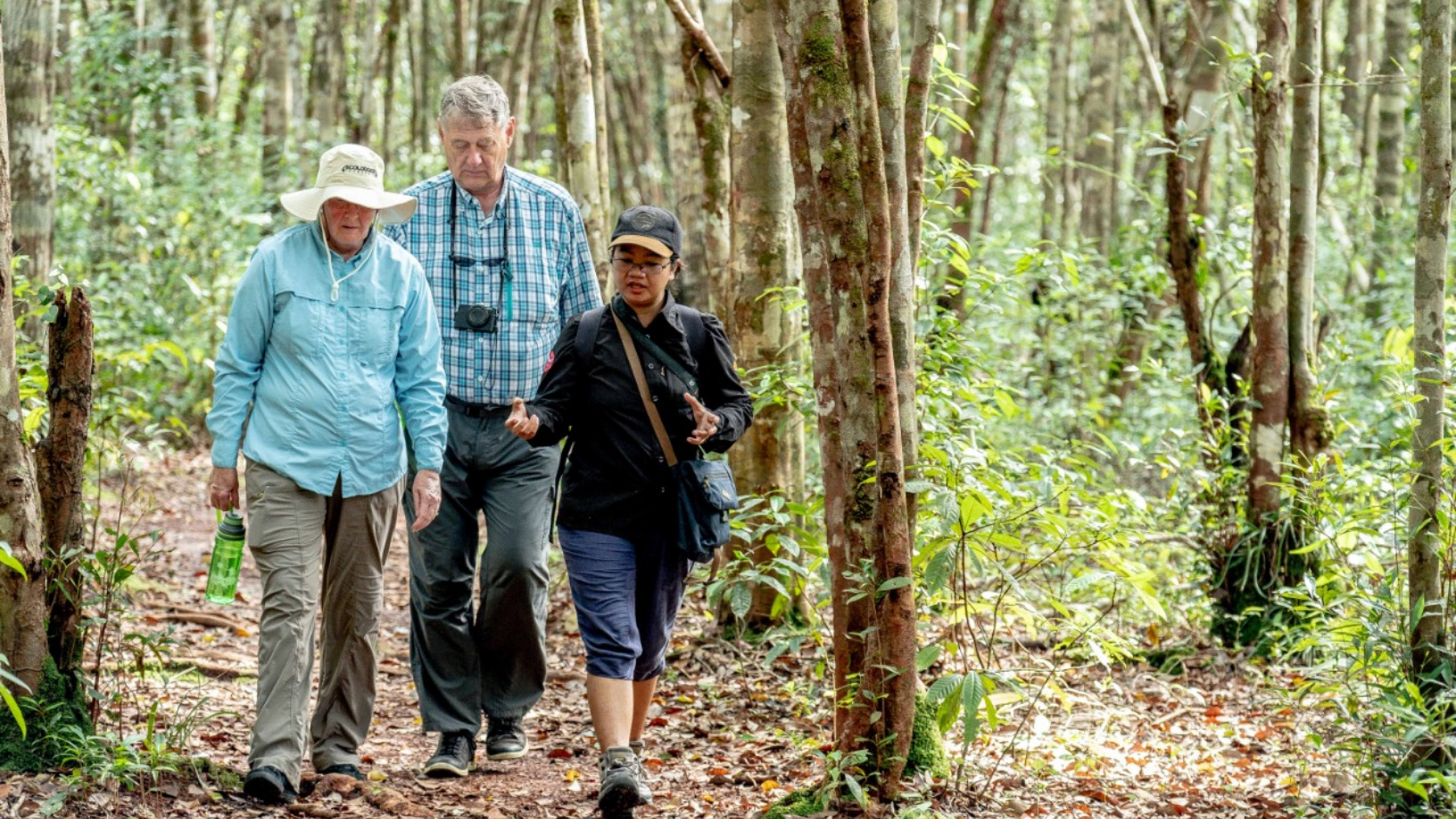
Indonesia 2021 outlook: VCs "cautiously optimistic" on Southeast Asia's largest country
Investors expect Indonesian startups to regain their growth opportunities when the economy reopens with the Covid-19 vaccine rollout, even as some online living and working habits have stuck

Meituan, the “Amazon for local services”
Now worth over US$50 billion, the company has always focused on one end-goal: help consumers eat better, live better

Amid Covid-19 gloom, some bright spots in Portugal's tech startup scene
Despite a recession and doubling of the unemployment rate forecast this year, it's not all bad news for the Portuguese tech ecosystem

Jesús Encinar: The Man Behind Idealista and 11870.com
Entrepreneur, angel investor and down-to-earth idealist

Meituan-Dianping’s Wang Xing: From struggling copycat to IPO billionaire
As the internet startup sets to list in Hong Kong this week, we take a look back at the journey of its founder Wang Xing, once dubbed “the unluckiest serial entrepreneur”

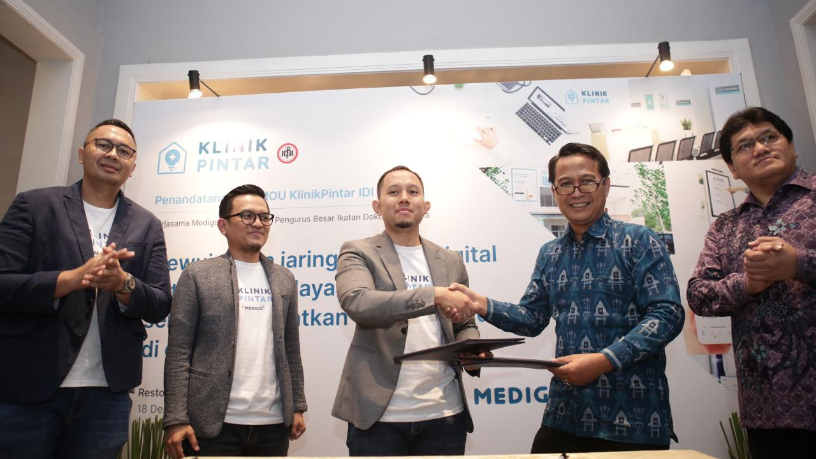
Medigo teams up with Indonesian Medical Association to launch primary care clinic network
Medigo aims to support healthcare operators with its clinic management SaaS, booking and medical records app for patients and more
Get fit and healthy with these Indonesian wellness startups
The wellness lifestyle trend continues to grow in popularity in Indonesia, and startups want a piece of the action

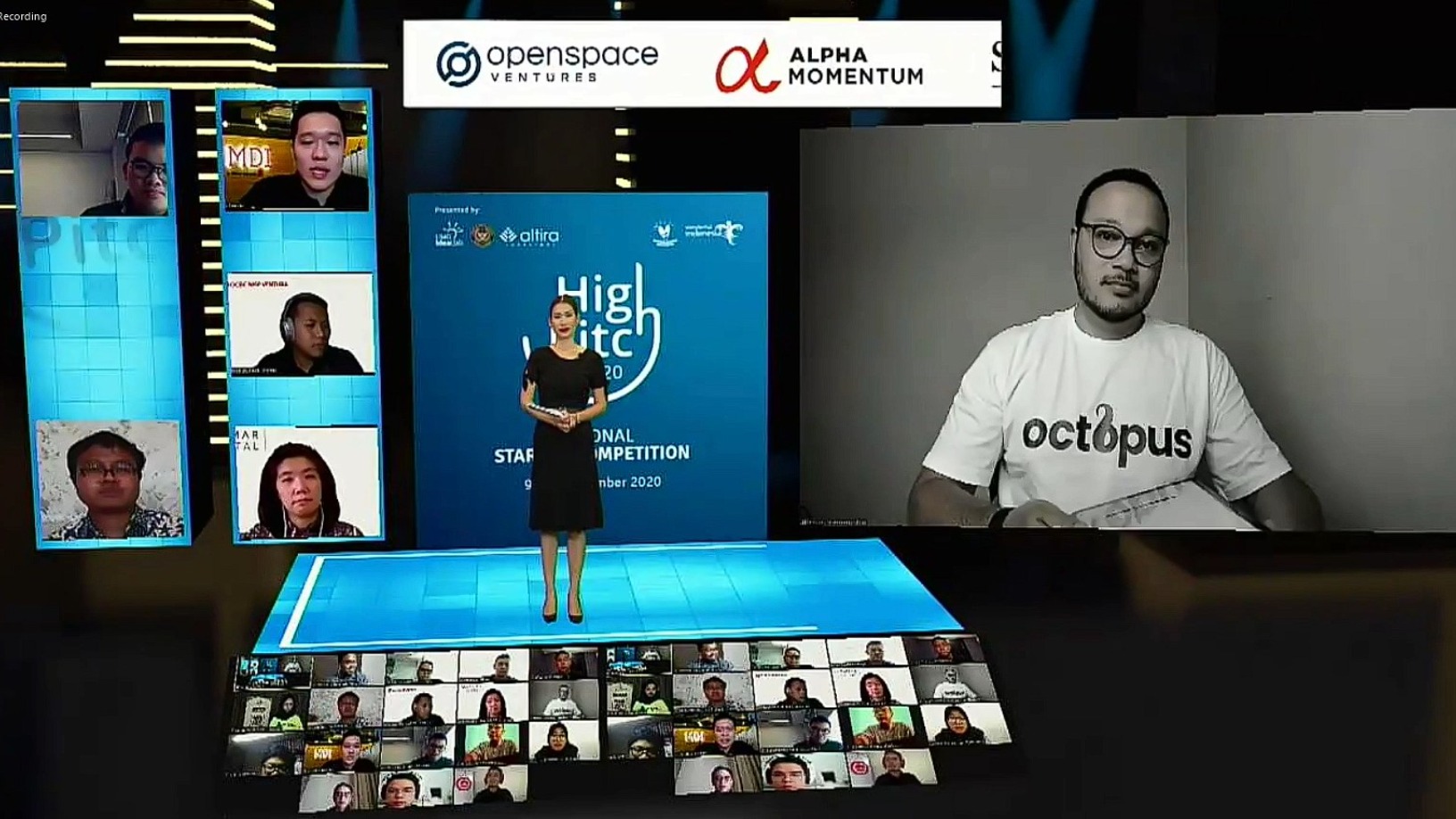
HighPitch 2020: Waste management play Octopus, digital concierge service Izy win Makassar battle
Both startups have scored strong traction despite the weight of Covid-19; they are also expanding and keen to explore new opportunities
Amid IPO talk, Meicai continues to push for growth in bid to become China's Sysco
Covid-19 helped speed up expansion to the B2C market for Meicai, China’s most valuable agrifood tech unicorn founded by a farmer’s son

In Spain, women are busy launching startups
Official data show women-led startups are on the rise in Spain. We take you to some of the biggest names in the game

No dine-in, no problem: Hangry’s cloud kitchens thrive amid Covid-19
Learning from global F&B franchises has helped Hangry expand rapidly, maintain quality and set expansion goals despite the pandemic

Healthy eating: The Southeast Asian startups making it a breeze
From meal plans to novel ingredients, agriculture and foodtech startups in the region are developing new ways to improve nutrition without sacrificing taste

Spain's gig and sharing economy startups flourish, despite barrage of restrictions
Startups like Glovo and Spotahome topped fundings raised in 2018 despite local regulatory risks, as Spanish tech firms conquer overseas markets

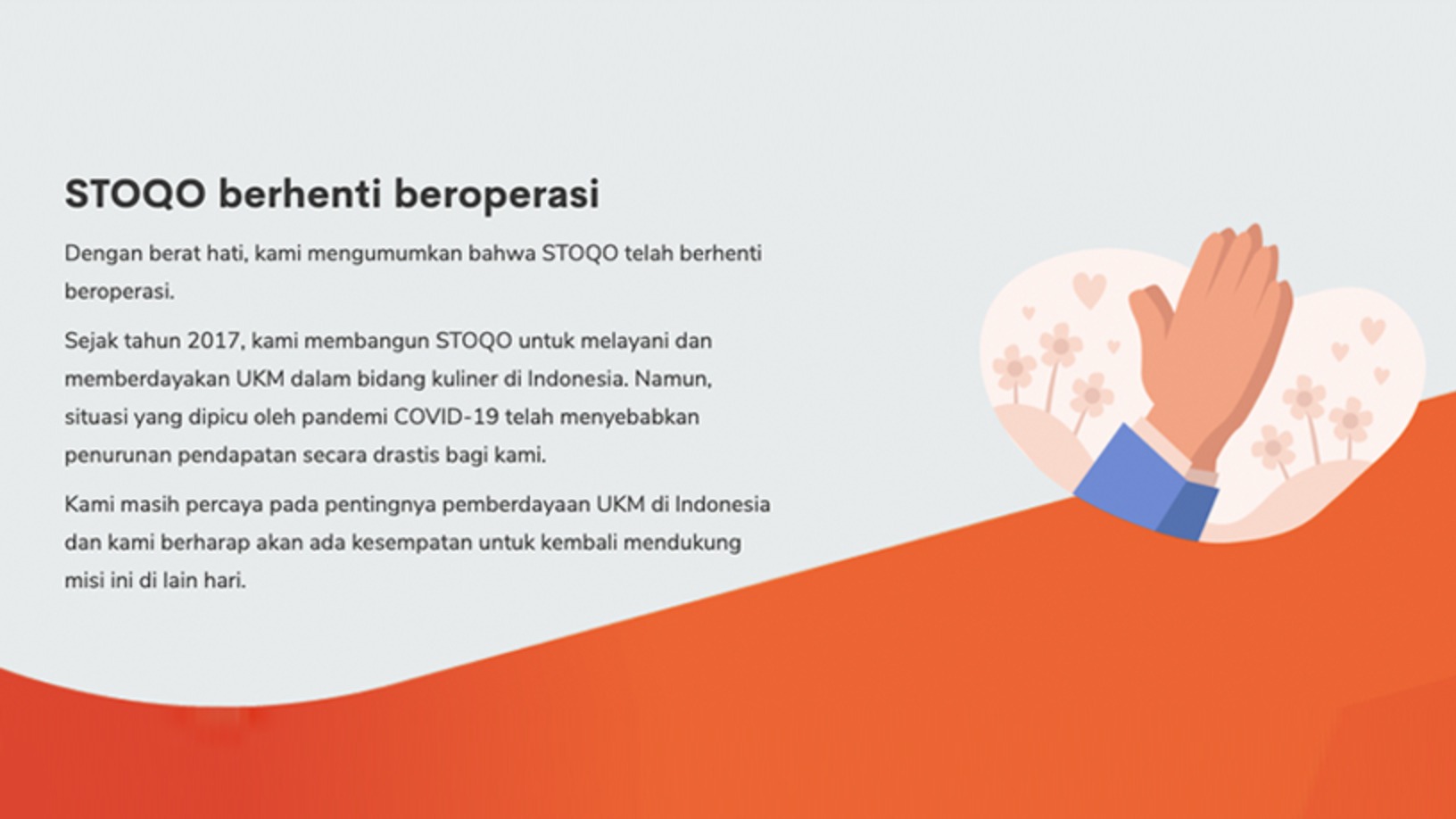
F&B supplier STOQO collapses, a casualty of Covid-19 restaurant closures in Indonesia
A once promising startup, STOQO's woes reflect the challenges faced by the local F&B industry, which is finding new ways to stay afloat
Sorry, we couldn’t find any matches for “Indonesian Hotel and Restaurant Association”.
POPULAR DATABASE