Indonesian Hotel and Restaurant Association
-
DATABASE (3376)
-
ARTICLES (812)
CTO and Co-founder of CloudYoung
Yan Feng holds a master's degree in Computer Science from the China Ship Research and Development Academy. He also has an EMBA from Peking University. Yan worked at Hanvon Technology before co-founding CloudYoung as CTO in 2013.

Yan Feng holds a master's degree in Computer Science from the China Ship Research and Development Academy. He also has an EMBA from Peking University. Yan worked at Hanvon Technology before co-founding CloudYoung as CTO in 2013.
Co-founder and Technical Director of Zhang Tong Jia Yuan
Co-founder and technical director of Zhang Tong Jia Yuan.

Co-founder and technical director of Zhang Tong Jia Yuan.
Established in 1998, Infoteria Corporation is an enterprise software company founded in Tokyo. Its flagship product "ASTERIA" is used by companies such as Sony, Panasonic and Mitsubishi.


Established in 1998, Infoteria Corporation is an enterprise software company founded in Tokyo. Its flagship product "ASTERIA" is used by companies such as Sony, Panasonic and Mitsubishi.
Terrence Teong Chee Hooi is the founder of Digital Alpha Group Pte Ltd and PT Digital Alpha Indonesia, which is the holding company of UangTeman.

Terrence Teong Chee Hooi is the founder of Digital Alpha Group Pte Ltd and PT Digital Alpha Indonesia, which is the holding company of UangTeman.
Founded in 2010, Greenwoods Investment has invested in over 60 startups, with three RMB-denominated PE funds and two USD PE funds under management.

Founded in 2010, Greenwoods Investment has invested in over 60 startups, with three RMB-denominated PE funds and two USD PE funds under management.
The world’s largest one-stop transportation service platform and the second largest online trading platform after Alibaba, Didi Chuxing acquired Uber China in 2016.

The world’s largest one-stop transportation service platform and the second largest online trading platform after Alibaba, Didi Chuxing acquired Uber China in 2016.
Founded by famous angel investor Cai Wensheng, founder and chairman of Meitu, Longling Capital is an equity investment firm that invests primarily in early-stage tech startups.

Founded by famous angel investor Cai Wensheng, founder and chairman of Meitu, Longling Capital is an equity investment firm that invests primarily in early-stage tech startups.
The VC arm of Kalonia, a Barcelona-based management consultancy focused on corporate digital transformation, Kalonia Venture Partners invests in B2B software, AI and fintech startups in the Spanish-speaking world. The VC is currently investing via its KVP III fund of €4.3m, with a target of 10 investments of about €5m on average each, taking equity stakes of 10% onward in co-investment; plus two follow-ons. Founded by Josep Arroyo, Alejandro Olabarría y Enrique Marugán, Kalonia began helping Spanish investors diversify into Silicon Valley and other US startups as early as 2001. Currently its funds come mainly from Barcelona-based family offices. Co-founder Alejandro Olabarría is son of Pedro Olabarría Delclaux, the powerful patriarch heading one of Spain's richest industrialist families today, with interests across industrial farming, banking, real estate, automotive and paper.

The VC arm of Kalonia, a Barcelona-based management consultancy focused on corporate digital transformation, Kalonia Venture Partners invests in B2B software, AI and fintech startups in the Spanish-speaking world. The VC is currently investing via its KVP III fund of €4.3m, with a target of 10 investments of about €5m on average each, taking equity stakes of 10% onward in co-investment; plus two follow-ons. Founded by Josep Arroyo, Alejandro Olabarría y Enrique Marugán, Kalonia began helping Spanish investors diversify into Silicon Valley and other US startups as early as 2001. Currently its funds come mainly from Barcelona-based family offices. Co-founder Alejandro Olabarría is son of Pedro Olabarría Delclaux, the powerful patriarch heading one of Spain's richest industrialist families today, with interests across industrial farming, banking, real estate, automotive and paper.
Toyota Motor Corporation (Toyota) started as a division of the Toyoda Automatic Loom Works in 1933, and established as an independent in 1937. As of December 2019, it ranked tenth largest company in the world by revenue. An established multinational automotive manufacturer, Toyota has invested in startups working on everything from online marketing to cybersecurity, placing an focus on new-generation mobility services. In 2019, it invested $600m in Chinese ride-hailing giant Didi Chuxing, and founded a joint venture to offer car maintenance, insurance and finance services to ride-hailing drivers. Also that year, Toyota invested $500m in Uber for self-driving cars. In early 2020, the auto giant invested $400 in the self-driving startup Pony.ai. Before the investment, the two had already partnered to test self-driving cars on public roads in China.

Toyota Motor Corporation (Toyota) started as a division of the Toyoda Automatic Loom Works in 1933, and established as an independent in 1937. As of December 2019, it ranked tenth largest company in the world by revenue. An established multinational automotive manufacturer, Toyota has invested in startups working on everything from online marketing to cybersecurity, placing an focus on new-generation mobility services. In 2019, it invested $600m in Chinese ride-hailing giant Didi Chuxing, and founded a joint venture to offer car maintenance, insurance and finance services to ride-hailing drivers. Also that year, Toyota invested $500m in Uber for self-driving cars. In early 2020, the auto giant invested $400 in the self-driving startup Pony.ai. Before the investment, the two had already partnered to test self-driving cars on public roads in China.
Founded in 2013 in Singapore, VVNP is a future-food solutions-orientated investor with a special interest in science-based companies that have the ability to scale global solutions, especially within Asia. It invests from seed stage to Series C level. Typical investments range from $300,000 to $3m and the investor has launched two funds to date. The first raised $40m and invested in seven companies globally, while the second was created in 2020, targeting $150m in total investment.The VC’s most recent investments include a €271,000 pre-seed investment round in Dutch poultry animal welfare biotech In Ovo in March 2021, and leading the as-yet-uncompleted 6m Swiss franc (approximately $6.56m) seed round in Swiss biotech SwissDeCode in January 2021 – a company that applies DNA testing to food traceability.

Founded in 2013 in Singapore, VVNP is a future-food solutions-orientated investor with a special interest in science-based companies that have the ability to scale global solutions, especially within Asia. It invests from seed stage to Series C level. Typical investments range from $300,000 to $3m and the investor has launched two funds to date. The first raised $40m and invested in seven companies globally, while the second was created in 2020, targeting $150m in total investment.The VC’s most recent investments include a €271,000 pre-seed investment round in Dutch poultry animal welfare biotech In Ovo in March 2021, and leading the as-yet-uncompleted 6m Swiss franc (approximately $6.56m) seed round in Swiss biotech SwissDeCode in January 2021 – a company that applies DNA testing to food traceability.
Cambridge Enterprise Venture Partners
A Cambridge-based investor, founded in 2006, that exists to support spin-off companies created at the city’s university with an emphasis on social impact. It currently has 57 companies in its portfolio, almost entirely in the areas of life and physical sciences, which have, in total, raised over £2bn in further investment and grant funding.Its most recent investments include in the June 2021 £3m seed round of Gallium Nitride semiconductor engineering company Porotech and in the January 2021 $20m Series A round of quantum computing innovators Riverlane.

A Cambridge-based investor, founded in 2006, that exists to support spin-off companies created at the city’s university with an emphasis on social impact. It currently has 57 companies in its portfolio, almost entirely in the areas of life and physical sciences, which have, in total, raised over £2bn in further investment and grant funding.Its most recent investments include in the June 2021 £3m seed round of Gallium Nitride semiconductor engineering company Porotech and in the January 2021 $20m Series A round of quantum computing innovators Riverlane.
Based in Linz, Klaus Hofbauer is an angel investor via his investment vehicle HOKL Ventures and the co-founder and CEO of Austria’s leading career job portal Karriere.at, established in 2004. As an angel investor, Hofbauer’s investments have included agriculture marketplace Markta, second-hand electronics marketplace Refurbed and leisure fishing booking site Hejfish. As a shareholder, he joined Refurbed as a board member in 2020.

Based in Linz, Klaus Hofbauer is an angel investor via his investment vehicle HOKL Ventures and the co-founder and CEO of Austria’s leading career job portal Karriere.at, established in 2004. As an angel investor, Hofbauer’s investments have included agriculture marketplace Markta, second-hand electronics marketplace Refurbed and leisure fishing booking site Hejfish. As a shareholder, he joined Refurbed as a board member in 2020.
Founded in 2018, Tilia Impact Ventures is the first social impact fund in the Czech Republic. Co-founding partner Silke Horáková has worked in private equity and is also a co-owner of Albatross Media. Co-founding partner Petr Vítek has worked for nine years as a Deloitte consultant. He is also co-founder of Impact Hub in Prague, Brno and Ostrava. Both have experience working in the social enterprise sector. About 23 investors have contributed to the impact fund. Tilia plans to have 10 local social impact companies in its portfolio, each with an expected investment life of five to seven years. The VC has invested in four companies to date: smart vending SaaS platform MIWA Technologies, data-mining startup Datlab, ready-made spectacles supplier DOT glasses and waste-to-resource marketplace Cyrkl.
Founded in 2018, Tilia Impact Ventures is the first social impact fund in the Czech Republic. Co-founding partner Silke Horáková has worked in private equity and is also a co-owner of Albatross Media. Co-founding partner Petr Vítek has worked for nine years as a Deloitte consultant. He is also co-founder of Impact Hub in Prague, Brno and Ostrava. Both have experience working in the social enterprise sector. About 23 investors have contributed to the impact fund. Tilia plans to have 10 local social impact companies in its portfolio, each with an expected investment life of five to seven years. The VC has invested in four companies to date: smart vending SaaS platform MIWA Technologies, data-mining startup Datlab, ready-made spectacles supplier DOT glasses and waste-to-resource marketplace Cyrkl.
CEO and co-founder of Xendit
Moses Lo comes from an entrepreneurial family, his father acquired a failing business in Australia and turned it into a successful company. The family business inspired Lo to start his own fashion business in Australia after graduating in finance and commerce at the University of New South Wales in 2010.Lo initially gained work experience as an analyst in 2008 as part of his undergraduate finance and commerce programs in Australia. In 2011, he became an associate at the Boston Consulting Group in Australia. After two years, he was promoted to senior associate but left BCG in 2013 to focus on his menswear ventures until 2014.Lo decided to get first-hand tech startup experience in the Silicon Valley, working at Amazon while completing an MBA program at the University of California, Berkeley. In 2015, he decided to established a P2P payments platform Xendit in Indonesia. The platform has since pivoted into a payment gateway service and became a unicorn in 2021, with Lo as CEO based in California and Jakarta. He was also featured in Forbes’ 30 Under 30 list for Asian figures in finance and venture capital in 2016.

Moses Lo comes from an entrepreneurial family, his father acquired a failing business in Australia and turned it into a successful company. The family business inspired Lo to start his own fashion business in Australia after graduating in finance and commerce at the University of New South Wales in 2010.Lo initially gained work experience as an analyst in 2008 as part of his undergraduate finance and commerce programs in Australia. In 2011, he became an associate at the Boston Consulting Group in Australia. After two years, he was promoted to senior associate but left BCG in 2013 to focus on his menswear ventures until 2014.Lo decided to get first-hand tech startup experience in the Silicon Valley, working at Amazon while completing an MBA program at the University of California, Berkeley. In 2015, he decided to established a P2P payments platform Xendit in Indonesia. The platform has since pivoted into a payment gateway service and became a unicorn in 2021, with Lo as CEO based in California and Jakarta. He was also featured in Forbes’ 30 Under 30 list for Asian figures in finance and venture capital in 2016.
Co-founder of Meatable
Mark Kotter is the Austrian co-founder at Dutch cell-based meat startup Meatable, the first to use pluripotent stem cells and claim a highly scalable culture technology, which was developed by Kotter prior to founding the startup in 2018. He is also founder at his biotech startup, bit.bio, which is based in Cambridge, UK, since 2016, where he applies his cellular technological innovation to human stem cell research and has raised investments totaling $42m. His main full-time position is at the University of Cambridge, where he has worked since 2009. He has spent more than five years as a clinician-scientist in stem cell research and was previously a lecturer in neurosurgery. Kotter also lectures at Paris Descartes University and is a team leader at the UK’s National Institute for Health Research’s Brain Injury MedTech Co-operative. He also founded Myelopathy.org to raise awareness of cervical myelopathy. His past positions were as a research group leader at the Max Planck Institute for Experimental Medicine for one year, and for two years spent at the Medical University of Vienna. Kotter holds two doctorates; one in philosophy from the University of Cambridge and the other in medicine from the University of Graz in Austria. Kotter also holds a master’s in philosophy from the University of Cambridge.

Mark Kotter is the Austrian co-founder at Dutch cell-based meat startup Meatable, the first to use pluripotent stem cells and claim a highly scalable culture technology, which was developed by Kotter prior to founding the startup in 2018. He is also founder at his biotech startup, bit.bio, which is based in Cambridge, UK, since 2016, where he applies his cellular technological innovation to human stem cell research and has raised investments totaling $42m. His main full-time position is at the University of Cambridge, where he has worked since 2009. He has spent more than five years as a clinician-scientist in stem cell research and was previously a lecturer in neurosurgery. Kotter also lectures at Paris Descartes University and is a team leader at the UK’s National Institute for Health Research’s Brain Injury MedTech Co-operative. He also founded Myelopathy.org to raise awareness of cervical myelopathy. His past positions were as a research group leader at the Max Planck Institute for Experimental Medicine for one year, and for two years spent at the Medical University of Vienna. Kotter holds two doctorates; one in philosophy from the University of Cambridge and the other in medicine from the University of Graz in Austria. Kotter also holds a master’s in philosophy from the University of Cambridge.
The edtech startup formerly named Squiline hopes greater fluency in English can boost Indonesia's creative and tourism sectors
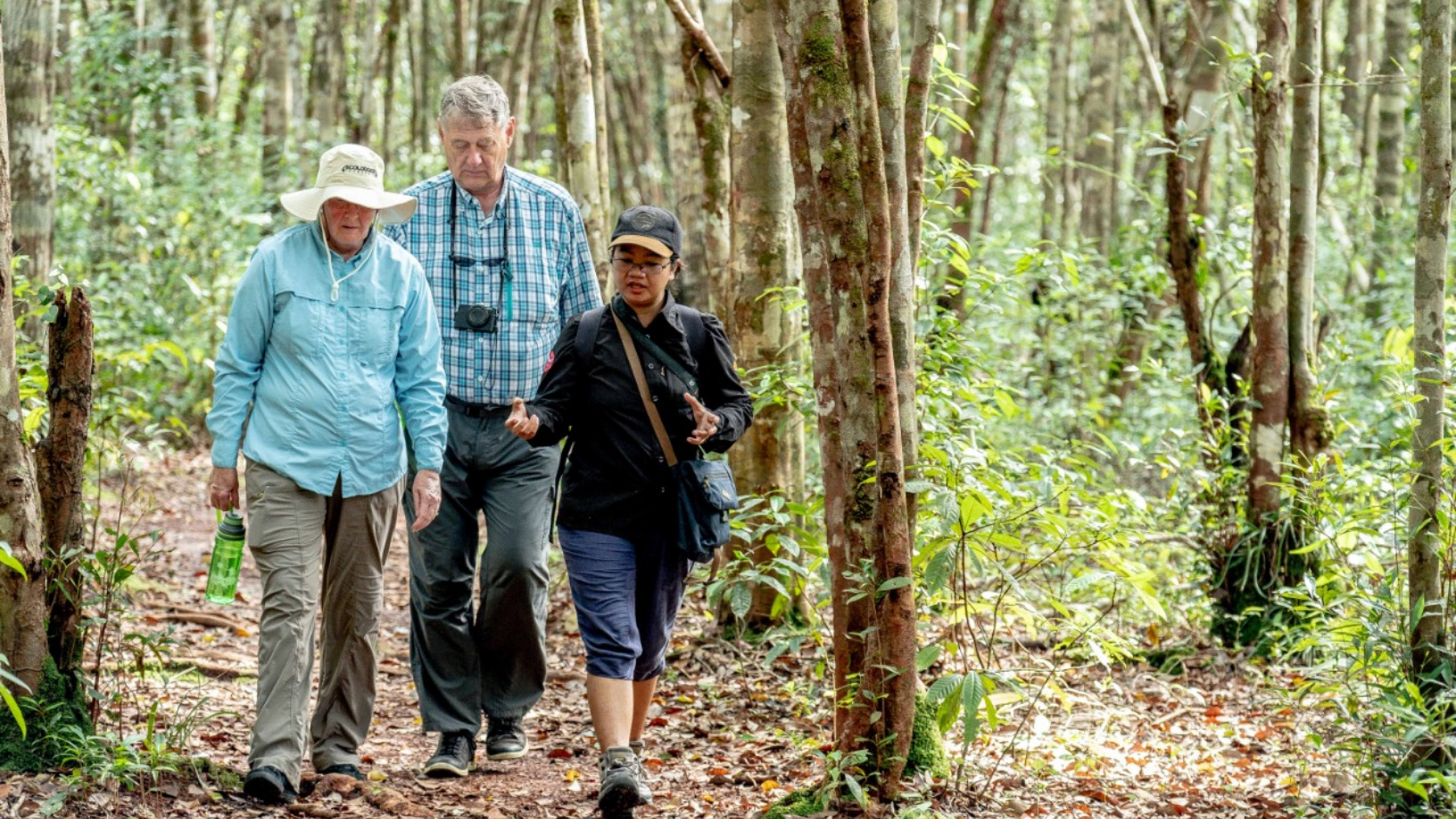
Indonesia 2021 outlook: VCs "cautiously optimistic" on Southeast Asia's largest country
Investors expect Indonesian startups to regain their growth opportunities when the economy reopens with the Covid-19 vaccine rollout, even as some online living and working habits have stuck

Meituan, the “Amazon for local services”
Now worth over US$50 billion, the company has always focused on one end-goal: help consumers eat better, live better

Amid Covid-19 gloom, some bright spots in Portugal's tech startup scene
Despite a recession and doubling of the unemployment rate forecast this year, it's not all bad news for the Portuguese tech ecosystem

Jesús Encinar: The Man Behind Idealista and 11870.com
Entrepreneur, angel investor and down-to-earth idealist

Meituan-Dianping’s Wang Xing: From struggling copycat to IPO billionaire
As the internet startup sets to list in Hong Kong this week, we take a look back at the journey of its founder Wang Xing, once dubbed “the unluckiest serial entrepreneur”

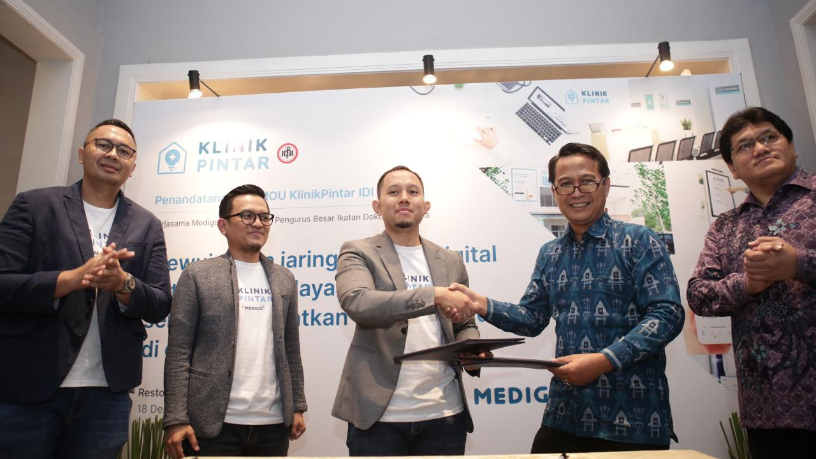
Medigo teams up with Indonesian Medical Association to launch primary care clinic network
Medigo aims to support healthcare operators with its clinic management SaaS, booking and medical records app for patients and more
Get fit and healthy with these Indonesian wellness startups
The wellness lifestyle trend continues to grow in popularity in Indonesia, and startups want a piece of the action

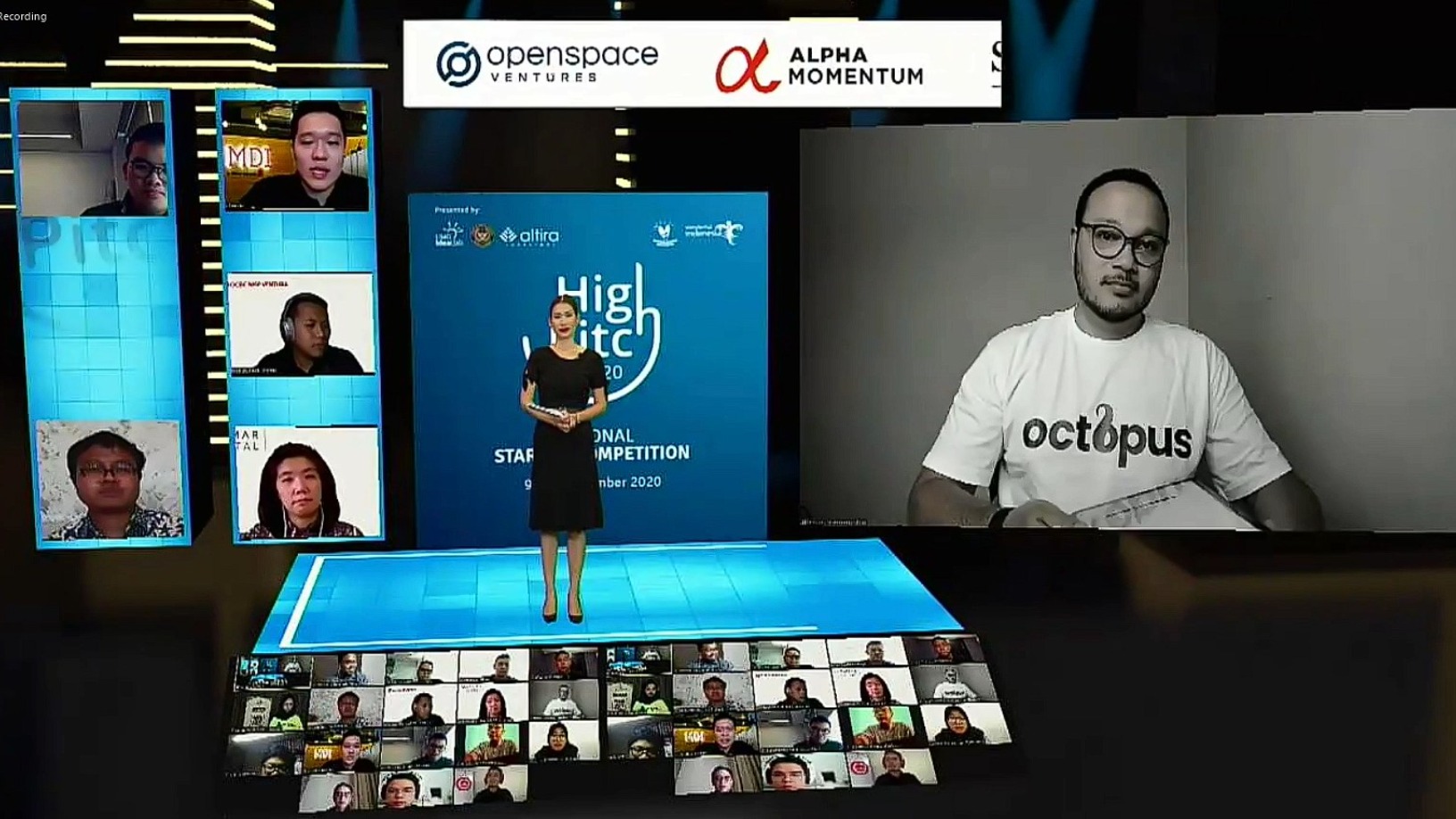
HighPitch 2020: Waste management play Octopus, digital concierge service Izy win Makassar battle
Both startups have scored strong traction despite the weight of Covid-19; they are also expanding and keen to explore new opportunities
Amid IPO talk, Meicai continues to push for growth in bid to become China's Sysco
Covid-19 helped speed up expansion to the B2C market for Meicai, China’s most valuable agrifood tech unicorn founded by a farmer’s son

In Spain, women are busy launching startups
Official data show women-led startups are on the rise in Spain. We take you to some of the biggest names in the game

No dine-in, no problem: Hangry’s cloud kitchens thrive amid Covid-19
Learning from global F&B franchises has helped Hangry expand rapidly, maintain quality and set expansion goals despite the pandemic
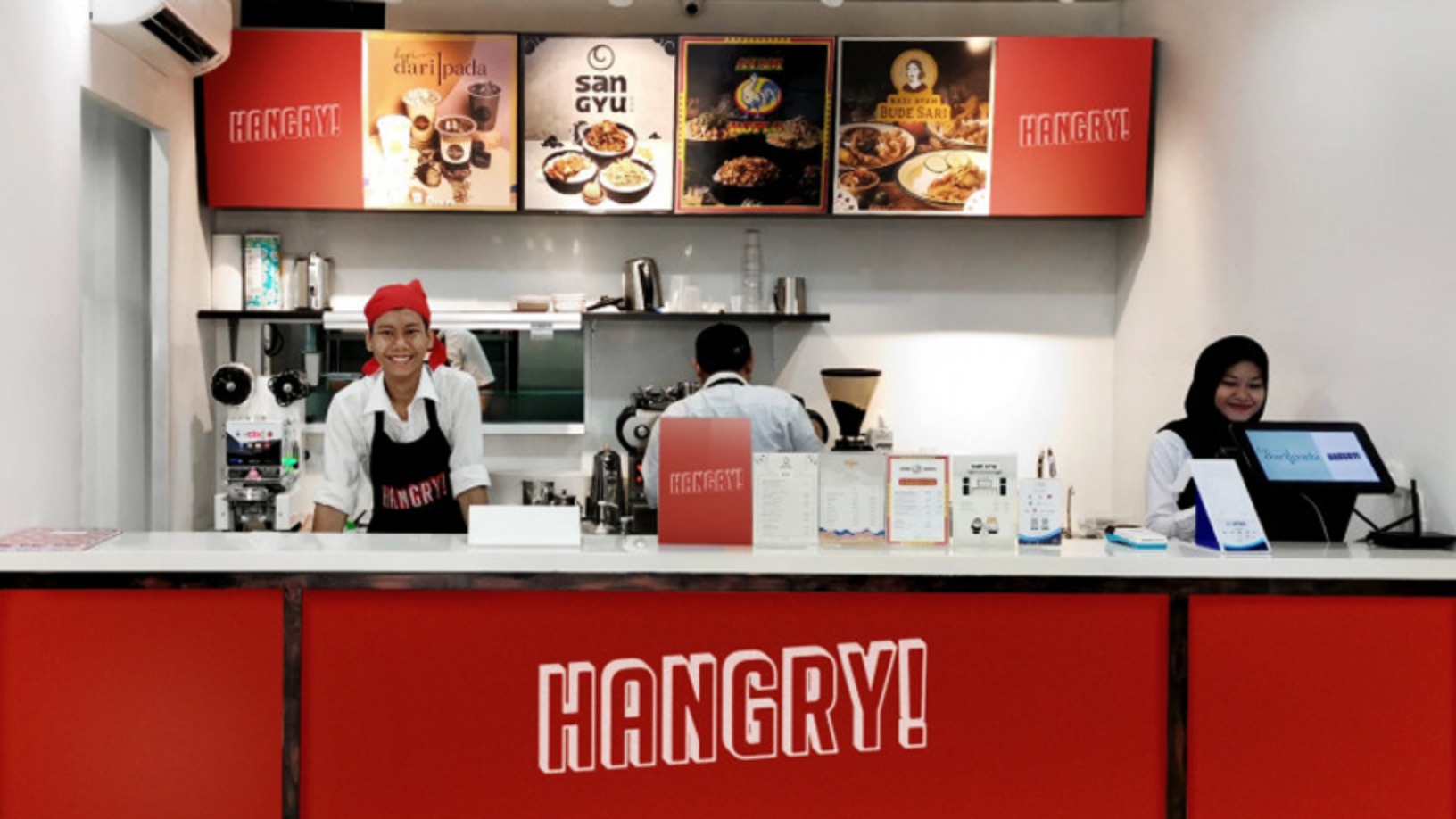
Healthy eating: The Southeast Asian startups making it a breeze
From meal plans to novel ingredients, agriculture and foodtech startups in the region are developing new ways to improve nutrition without sacrificing taste

Spain's gig and sharing economy startups flourish, despite barrage of restrictions
Startups like Glovo and Spotahome topped fundings raised in 2018 despite local regulatory risks, as Spanish tech firms conquer overseas markets

F&B supplier STOQO collapses, a casualty of Covid-19 restaurant closures in Indonesia
A once promising startup, STOQO's woes reflect the challenges faced by the local F&B industry, which is finding new ways to stay afloat

Sorry, we couldn’t find any matches for “Indonesian Hotel and Restaurant Association”.